
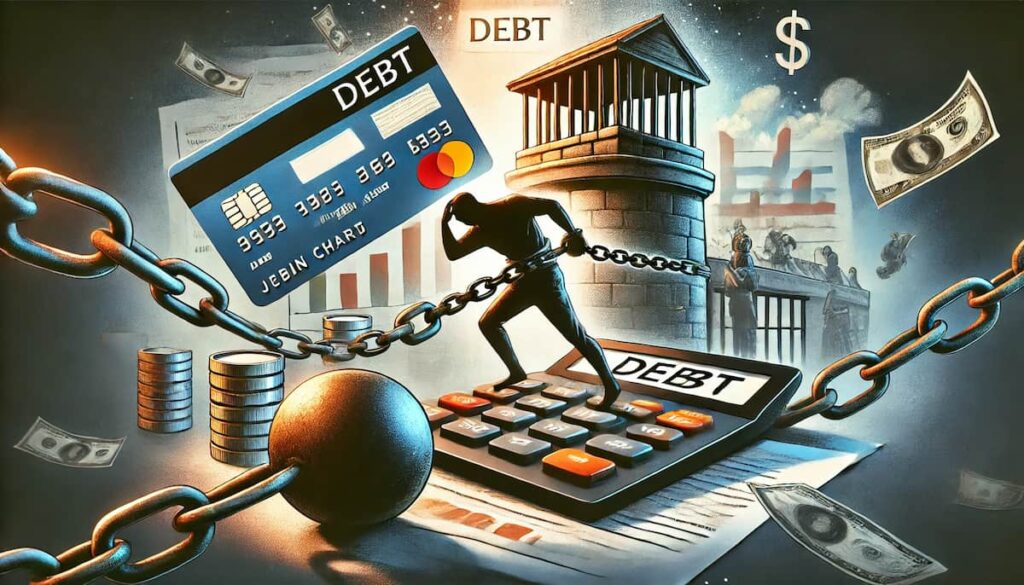
Earlier, in Ancient Greece, the creditor installed a special plaque on the debtor’s land, which was called a mortgage. The mortgage meant that if the debtor did not pay the debt, the land would become the property of the creditor.
In 1827, the ruler of Algeria hit the French ambassador in the face with a fly swatter during a heated discussion about unpaid debts. This was the reason for the French invasion of Algeria 3 years later and the subsequent occupation of more than a century.
An amazing custom exists among an Indian tribe called quatkutl. Instead of a receipt, the debtor leaves his Name as collateral, and until the debt is repaid, the tribesmen address him with gestures and inarticulate sounds.
As he liked to say Winston Churchill, famous politician:”The reputation of a state is determined by the amount that the state can borrow.”
In medieval Europe, the Popes strictly forbade lending money at interest: profiting from the financial difficulties of co-religionists was considered a terrible sin. Therefore, in 1179, Pope Alexander III declared money changers and moneylenders inveterate sinners and forbade them to receive communion. In addition, the “bankers” of that time were not allowed to be buried on consecrated ground, so they, like suicides, were buried behind the fence of cemeteries. .. The “bankers” of that time were not allowed to be buried on consecrated ground, so they, like suicides, were buried behind the fence of cemeteries.
A very interesting law existed in England in the 16th century: if you did not pay your debts in time, you could avoid prison only without leaving home. It was strictly forbidden to arrest debtors in their own homes.
In a medieval French comedy, a rich clothier sues a shepherd who stole his sheep. During the meeting, the draper forgets about the shepherd and reproaches his lawyer, who did not pay him for six cubits of cloth. The judge interrupts the speech with the words: “Let’s return to our sheep,” which have become winged.
Peasants from ancient Slavic villages preferred to use sticks instead of receipts. For example, one peasant borrowed 4 sacks of grain from another. He must plan a small stick and make four notches on it. Then, this kind of receipt was split into two parts, one of which was given to the borrower, and the other to the borrower.
http://prodengi.kz/publikacii/interesnye_fakty_pro_dolgi_i_dolzhnikov/